The Summer Work Bag: What Deserves the Space?
Our guides are independently written. Some shopping links may earn us a commission when identified as affiliate links, at no extra cost to you. Read our disclosure.
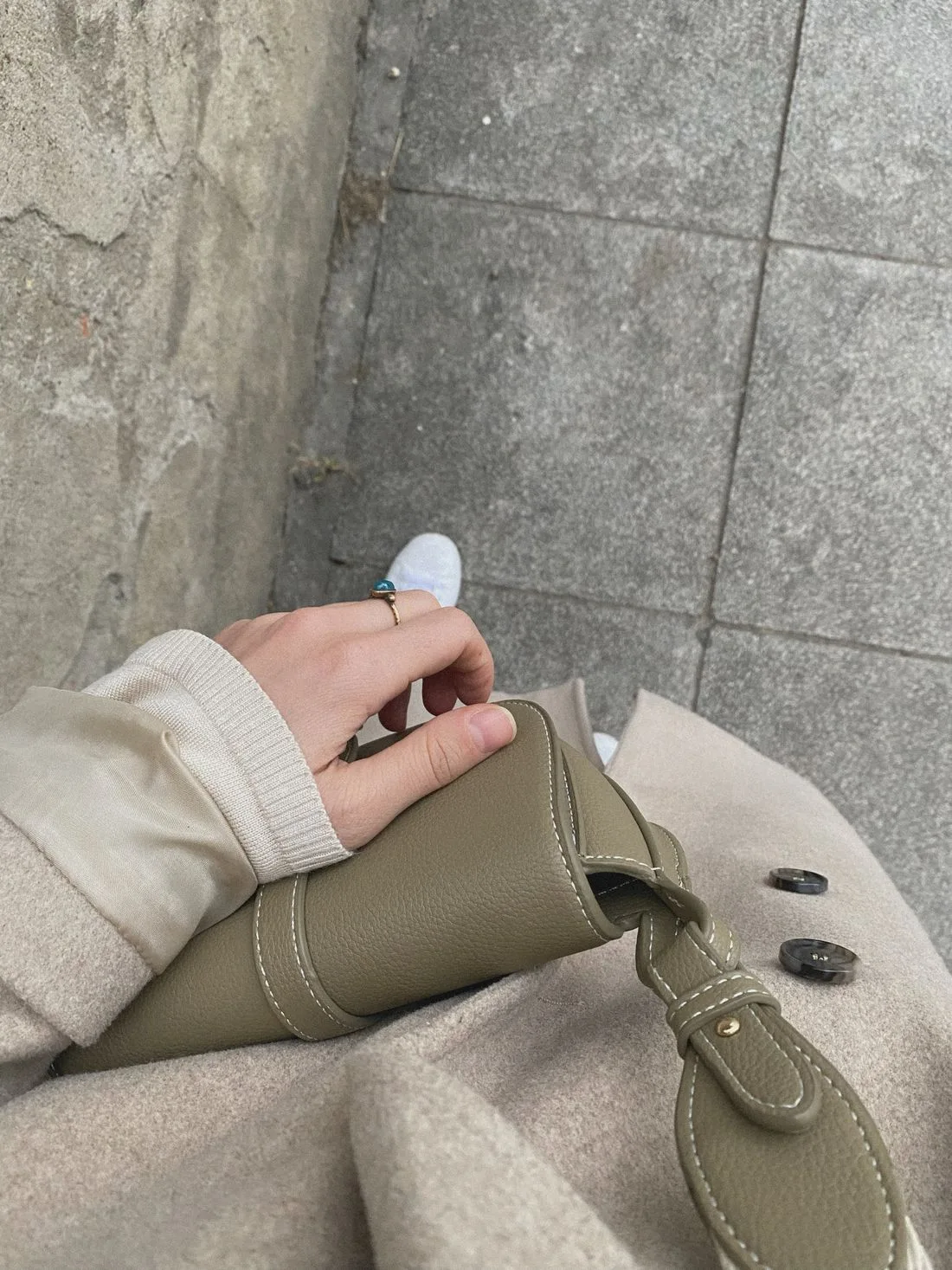
The most useful work bag starts with an unglamorous exercise: empty the current one. Put everything on a table and separate what you use every day from what has been traveling with you for weeks. A bag can feel inadequate because it lacks the right organization, but it can also feel inadequate because it contains three unrelated days at once.
Summer adds its own small complications. You might carry a water bottle, sunglasses and a layer for a cool office, while wanting the bag itself to feel lighter. Rather than buying the largest tote available, build a realistic load and choose around it.
Name the non-negotiables
Start with devices. Measure the laptop or tablet with its usual case and compare that measurement with the bag’s usable compartment, not just its outside dimensions. A listed laptop size may describe a screen rather than the entire device. If you need a padded sleeve, include its thickness in the test.
Next, add the objects that cause the most friction: lunch container, bottle, keys, pass, charger and any medication you personally need. A bottle pocket can be useful, but check whether it fits your actual bottle and whether it steals space from the laptop compartment when full. Keep liquids in securely closed containers and consider a separate pouch for vulnerable items.
Finally, account for the route. Walking to a train and standing through the commute is different from driving to a nearby office. A shoulder tote may feel manageable for a short walk but inconvenient when you also hold a coat and groceries. A backpack frees your hands, although you may prefer a smaller carry-in bag for meetings.
Test carrying comfort with the full load
An empty bag tells you very little about daily comfort. Place a similar weight inside and try the handles, shoulder strap and any crossbody option. Check whether the straps stay in place over the clothing you actually wear. Thin summer fabrics may allow a smooth strap to slide more than a jacket does.
Look at the opening as well. Can you reach your transit card without setting everything down? Does the main closure operate with one hand? A wide-open tote offers easy access but less separation from the people and surfaces around you. A zipped bag adds a step, yet can be more convenient when it tips beside a chair.
Choose organization you will maintain
A forest of tiny pockets looks promising online, but only helps if you remember what belongs in each one. For many routines, a small number of zones works better: technology, personal essentials and food or drink. Removable pouches let you transfer the first two zones into another bag without rebuilding the system.
Before buying an organizer insert, check its dimensions and weight. It may make a floppy tote easier to use, or it may turn a comfortable bag into a rigid box. Try a pouch you already own first. Buying accessories to rescue a fundamentally unsuitable bag rarely feels efficient in the long run.
Spend on construction, then appearance
Inspect strap attachment points, zipper movement, lining seams and the base. Ask how the material should be cleaned and whether the care routine suits a bag placed on office floors or café chairs. A pale finish can be beautiful, but choosing it means accepting visible wear or more frequent care.
Set a total budget that includes any necessary sleeve or pouch. Avoid paying for a dramatic hardware detail at the expense of a comfortable strap. The bag you use five days a week needs to earn its place through ordinary handling.
End with a one-week edit: remove anything unused unless it serves a genuine contingency. For organizing the bag at home, see the entryway drop zone. For clothing that works with the same commute, explore layers for cool evenings and chilly interiors.
More considered choices, fewer impulse buys.
Read our editorial standards →