Build a Small Wardrobe Color Palette You Will Actually Wear
Our guides are independently written. Some shopping links may earn us a commission when identified as affiliate links, at no extra cost to you. Read our disclosure.
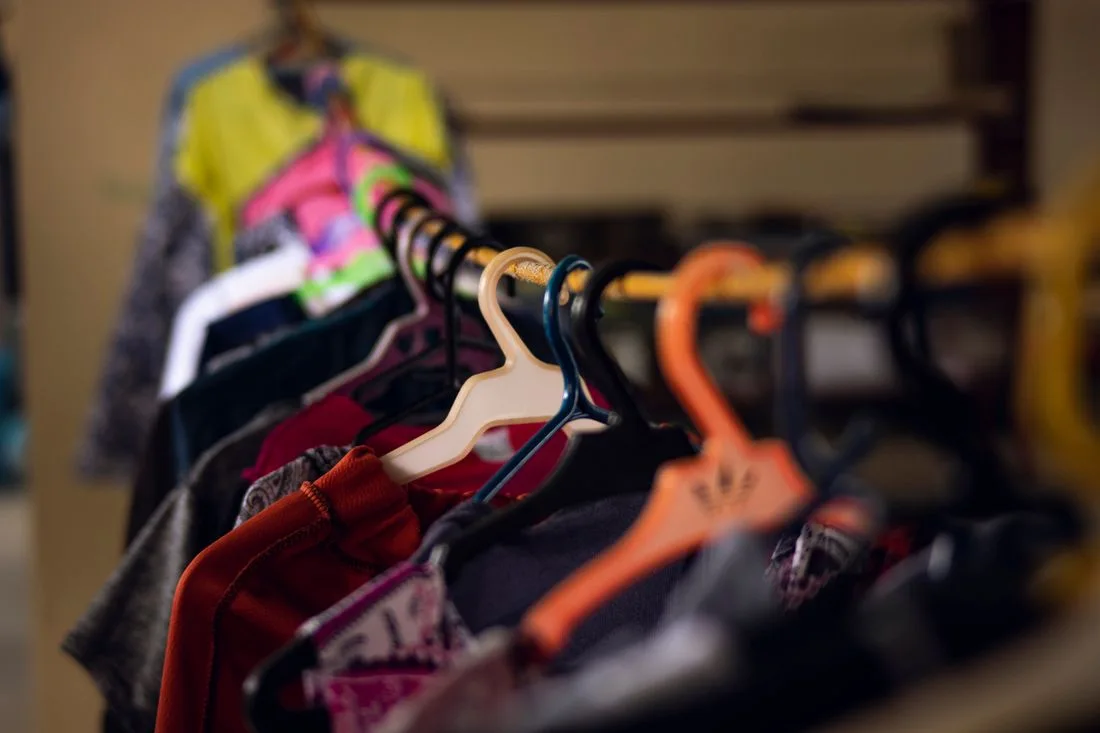
A small wardrobe palette should make shopping and getting dressed easier. It should not turn your closet into a rulebook or require discarding clothes you enjoy. The best starting point is evidence from your own hangers: the pieces you repeatedly choose, the combinations you wear confidently and the colors that already travel together.
Set aside an hour with good daylight. Pull out five favorite outfits, including shoes and a bag if possible. Look for repetition. You may discover a preference for warm brown and cream, dark blue and white, or charcoal with bright accents. Use what appears naturally rather than copying a palette that would demand a new wardrobe.
Separate anchors from accents
Anchor colors appear in the pieces you wear often: trousers, a jacket, everyday shoes or a substantial bag. Accents can be tops, scarves, jewelry or any item that gives the outfit a different mood. These roles are flexible. A red coat can be an anchor if you wear it constantly, while a black party top can be an occasional accent.
Choose a small starting group. Two familiar anchors and one or two accents are enough for an experiment. Keep your existing exceptions. The aim is to identify useful connections, not to prove that every object coordinates with every other object.
Lay combinations beside each other. Try each accent with both anchor colors, then add the shoes you actually use. Sometimes two colors look beautiful together on a mood board but feel disconnected once your regular shoes enter the outfit. That is useful information before another purchase.
Test in outfits, not isolated swatches
Color works alongside shape, texture and contrast. A crisp white shirt can feel different from a soft cream knit even when both seem like light neutrals. Similarly, shiny black trousers and faded black denim may serve entirely different purposes. Keep those differences in the exercise instead of reducing every item to a color name.
Photograph three combinations in ordinary light. If you find yourself changing an item every time, identify why. The problem might be proportion rather than color. A longer shirt could need a different trouser shape; a warm cardigan might work once you replace a stark white tee with an existing softer shade.
Use the palette to write a buying brief
Instead of searching for something new, name the missing connection. Perhaps you need a washable top that works with both navy trousers and a patterned skirt. Perhaps your everyday shoes fit the clothes but your only practical bag does not. A specific brief makes browsing less likely to become a collection of unrelated favorites.
For each potential purchase, build three outfits mentally or in a fitting room. Include an outfit for an ordinary weekday, not just a special occasion. If the item requires two more purchases before you can wear it, record that full cost and decide whether the project is worthwhile.
A realistic example
Consider a closet with navy trousers, cream jeans, a striped shirt and tan sandals. A soft blue top could work with both bottoms, while a navy cardigan could connect the whole group. That does not mean a green printed dress should be rejected. The dress may already be a complete outfit with the tan sandals and need no additional coordination.
This is why a capsule wardrobe works best as a practical editing tool rather than a fixed number of garments. Your climate, laundry schedule and work expectations determine how much clothing you need. Someone washing clothes weekly faces a different rotation from someone who can wash a favorite top overnight.
Review after a month
Notice which combinations became automatic and which remained theoretical. Keep the useful ones and loosen the rules around everything else. A successful palette should leave room for enjoyment as well as efficiency.
Try the exercise with three linen-trouser outfits or use it to plan the carry-on beach weekend. In both cases, compatible pieces reduce the need to pack or buy a separate outfit for every moment.
More considered choices, fewer impulse buys.
Read our editorial standards →