Pack a Carry-On for a Beach Weekend Without the Extras
Our guides are independently written. Some shopping links may earn us a commission when identified as affiliate links, at no extra cost to you. Read our disclosure.
Packing for a beach weekend can become a contradiction: the schedule is relaxed, yet the bag contains three versions of every possible activity. Start with the trip you have actually arranged. Two nights, a few hours near the water and a casual dinner need a different bag from an itinerary involving formal events or specialist sports.
Confirm what the accommodation supplies before adding bulky items. Towels, laundry access and basic kitchen equipment vary. If the information is unclear, ask the property directly rather than packing based on a photograph. Check current baggage rules with your transport provider as well; carry-on is not a universal size or weight allowance.
Build outfits as a connected group
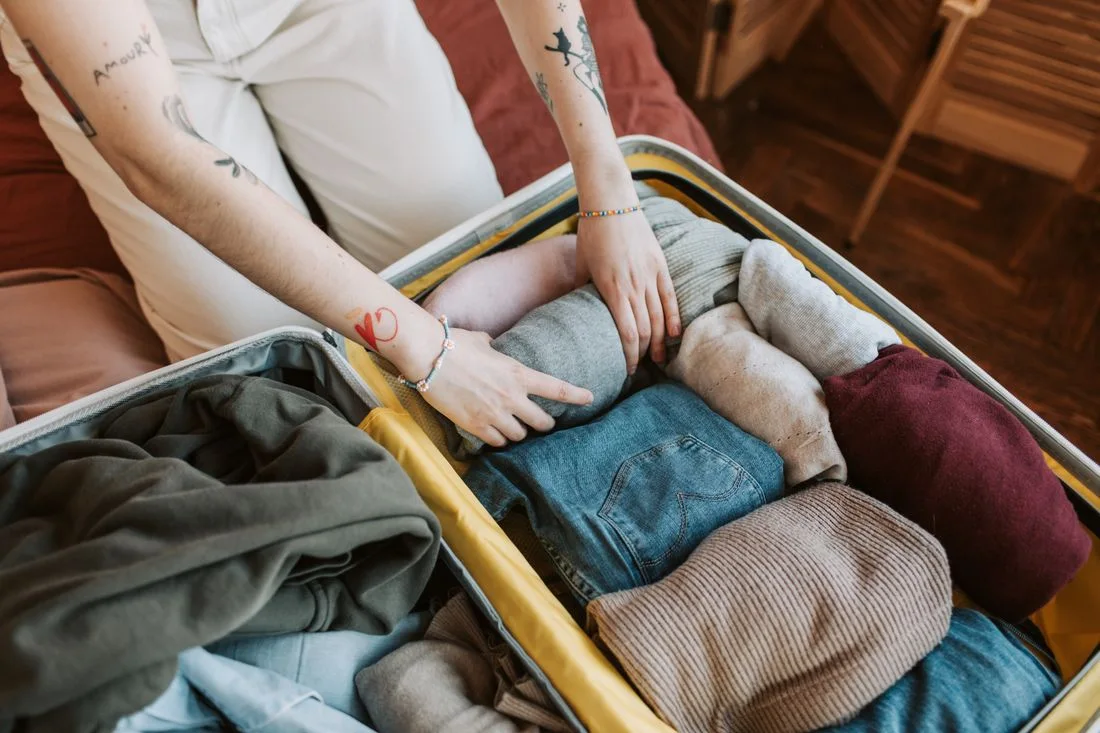
Choose one travel outfit comfortable enough for the journey and suitable for arrival. Then add a second bottom and two tops that work with both bottoms. A dress can replace one combination if that is how you prefer to dress. The objective is useful alternatives, not a rigid formula everyone must follow.
Lay the clothes together with shoes. If one garment requires a separate shoe, bag and special underwear, decide whether it deserves that much space for a short trip. Keep a light evening layer that works across the group. A shirt may serve as both daytime coverage and an extra layer, depending on the setting and your comfort.
Pack swimwear around your plans and allow a practical way to separate damp items for the return journey. Do not seal wet clothing away indefinitely; unpack and dry it appropriately when you can. If your plans include a second swim before the first suit dries, a second suit may be a useful addition rather than an unnecessary extra.
Treat the beach bag as its own small system
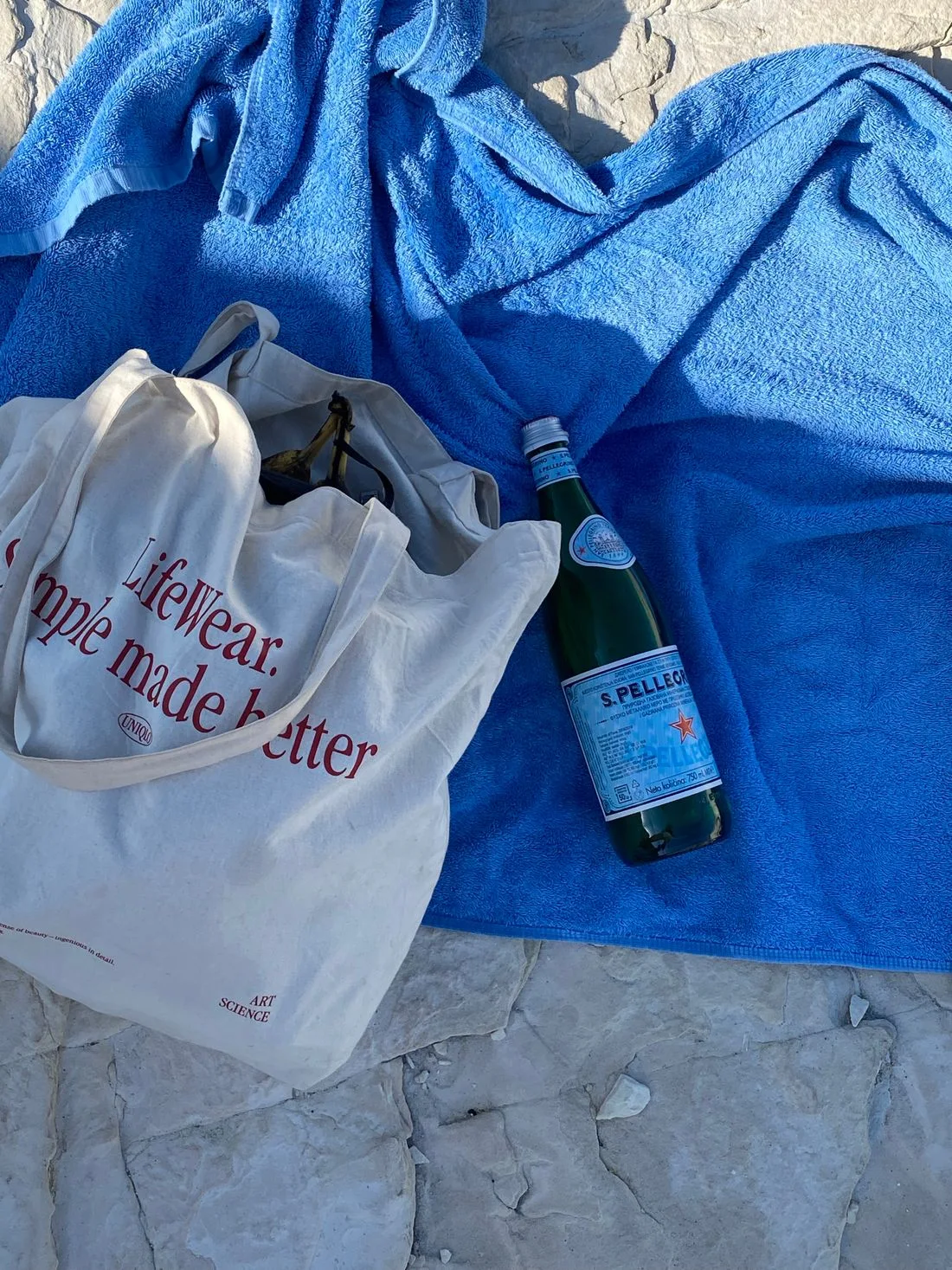
A foldable tote saves space, but test whether its handles feel comfortable with the load you intend to carry. A bottle, book and towel can make a thin strap inconvenient. Choose a closure or inner pouch if you need to contain small items, and keep valuables under sensible supervision.
For sun protection, use guidance appropriate to your circumstances and the product instructions. A hat and sunglasses should fit securely enough for the activities planned. Do not rely on a shopping label alone to determine suitability, and avoid making a new accessory the only part of your preparation.
Pack footwear by function
A familiar walking pair and a suitable beach pair may cover the weekend. Check the route from your accommodation to the water: a short paved path is different from uneven access. If dinner is casual, the comfortable walking pair may do another job rather than requiring dedicated evening shoes.
Clean footwear before packing and use a washable bag or suitable cover to keep it separate from clothing. Avoid overfilling the main bag so thoroughly that you cannot repack it after the clothes have been worn. A little spare capacity is useful on the return journey.
Keep arrival essentials accessible
Place booking details, identification and the first items you need where you can reach them without opening the entire suitcase. If your room will not be available immediately, consider a small change of clothes or the items needed for your first planned activity. This is a more useful contingency than several extra outfits buried at the bottom.
Use a written departure check for chargers, personal essentials and anything still drying. The travel toiletry drawer guide can make that part easier. For outfit coordination, use the small wardrobe palette exercise before packing.
Make the purchase list short
After a trial pack, identify actual gaps. Perhaps a smaller toiletry pouch would help, or the bag’s handle is uncomfortable. Buy for that defined problem. Compression accessories and matching cubes are optional; they cannot make an unsuitable bag comply with your carrier’s rules or turn unworn clothing into useful outfits.
More considered choices, fewer impulse buys.
Read our editorial standards →