A Calm Sunday Reset for a Busy Week
Our guides are independently written. Some shopping links may earn us a commission when identified as affiliate links, at no extra cost to you. Read our disclosure.

A Sunday reset is useful when it removes a few predictable obstacles from the week. It becomes less useful when it demands a spotless home, elaborate meal preparation and a complete reinvention of your habits before bedtime. Keep the goal small: make Monday easier while leaving some Sunday available to enjoy.
Choose a time limit before you start. Forty-five minutes might suit your household, or you may prefer three short sessions separated by other plans. The limit is a boundary, not a challenge to move faster. If the list regularly exceeds it, reduce the list rather than assuming you need a more elaborate productivity system.
Begin with the next two days
Look at Monday and Tuesday. Identify appointments, travel, work commitments and anything that requires a specific item. A swimming bag or a document needed early Monday deserves attention before a general cupboard tidy. You are planning for actual events rather than preparing for every imaginable week.
Write a short list somewhere you already look. A paper notebook, calendar or simple phone note can work. Buying a planner is optional; the useful part is keeping the information together. If several people share responsibilities, confirm who handles what instead of relying on a perfectly written list that nobody else sees.
Clear one high-friction surface
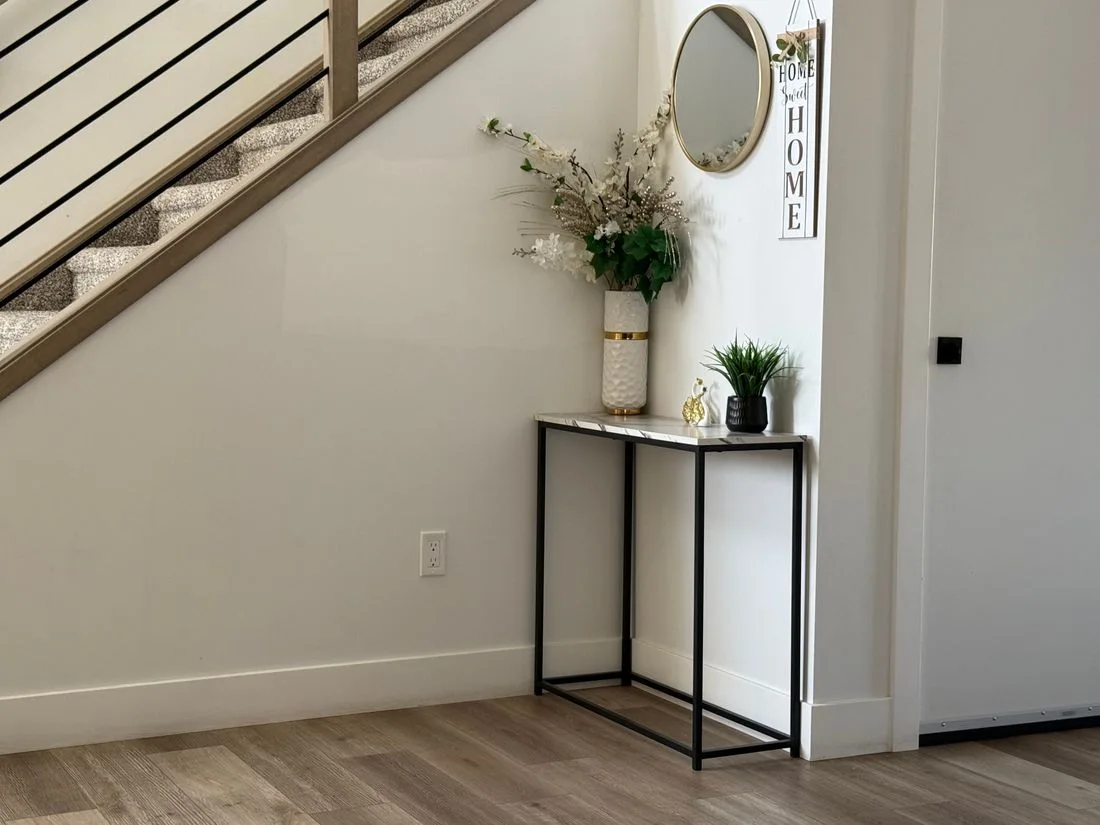
Choose the place whose clutter causes the most interruptions: the kitchen counter, entryway or working desk. Return objects to their homes, remove rubbish appropriately and wipe the surface if needed. Do not open every nearby drawer in search of another task.
If objects have no home, create a temporary decision area and give it a small capacity. An unlimited basket merely relocates the problem. Notice the repeating category, such as incoming mail or charging cables, and solve that category during a separate organizing session.
Prepare one clothing decision
Check the weather information you normally use and choose a workable outfit for the first demanding day. Include shoes, underwear and any layer you will need. If something requires ironing or washing, discovering it now is more useful than styling five hypothetical outfits.
For children or shared laundry, focus on the items needed soonest. A complete wardrobe rotation is not necessary every Sunday. Keep a note of genuine gaps, but do not turn the reset into an automatic shopping session. Repeatedly missing a clean favorite may suggest a laundry adjustment rather than a need for more clothes.
Make food preparation specific
Check what is already in the refrigerator and decide on one or two easy meals. Plan around your own food-handling guidance and storage requirements. The reset need not involve cooking the whole week’s meals; washing a lunch container and confirming tomorrow’s ingredients may be enough.
If you want to prepare food ahead, choose a task that reliably saves time in your household. Chopping ingredients you dislike using will not make the week easier. Keep the menu flexible enough to accommodate a late meeting or a changed appetite without making you feel the plan has failed.
Pack and plug in
Return keys and essentials to their regular landing place. Check the bag needed tomorrow and charge devices according to their instructions. Remove receipts and abandoned snacks while the bag is open. A five-minute edit prevents you carrying last week’s leftovers into a new routine.
This is also a good moment to refill an everyday supply you already know is low. It is not a reason to browse for a complete collection of matching containers. Use what you have until a specific problem justifies a purchase.
Stop deliberately
Finish by choosing something restful: a short walk, reading or simply sitting with a drink. Leave a brief note about unfinished essentials so you do not carry the whole list mentally. The routine should support the week rather than consume the day before it.
For two useful supporting systems, create an entryway drop zone and a five-minute dinner table kit. Both reduce repeated decisions without requiring the whole home to operate on a schedule.
More considered choices, fewer impulse buys.
Read our editorial standards →