What to Pack for a Rainy City Break
Our guides are independently written. Some shopping links may earn us a commission when identified as affiliate links, at no extra cost to you. Read our disclosure.
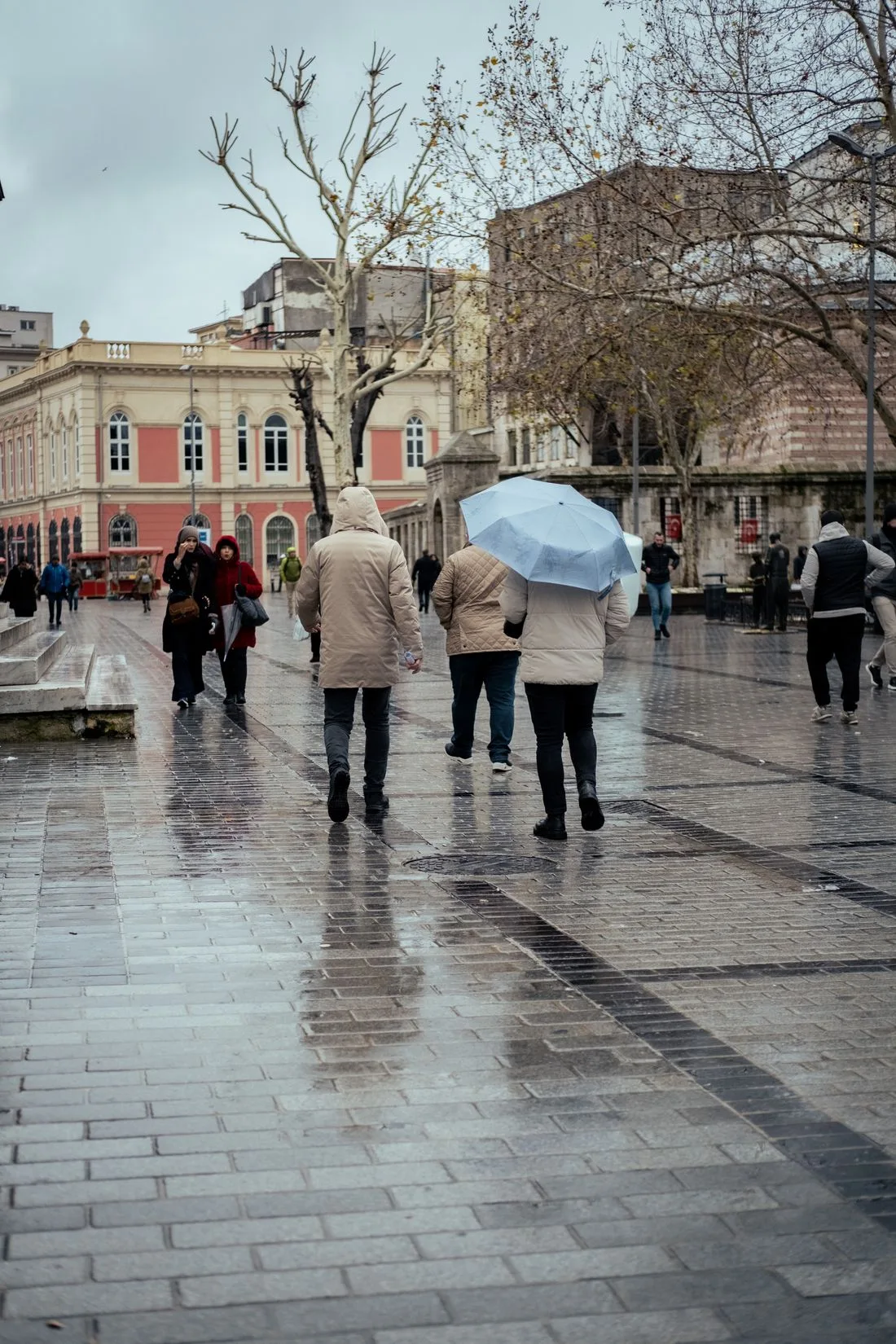
Rain changes a city break through small practical details. There is the umbrella to close before entering a café, the wet jacket to manage in a museum and the shoes you hope will be comfortable again tomorrow. Packing should address those transitions rather than adding an emergency outfit for every possible forecast.
Check a reliable forecast near departure and look at the activities already booked. A weekend of mostly indoor stops requires different preparation from long outdoor walking tours. Build a plan that can change, and verify current opening times or reservation requirements directly with the venues you intend to visit.
Choose your outer layer around the day
Read the garment’s stated weather protection and care details. Water-resistant and waterproof descriptions should not be treated as interchangeable, and the practical experience also depends on construction and fit. Look for the features your itinerary needs rather than assuming a high price guarantees a good match.
Try the layer over your thickest planned outfit. Raise your arms and check the hood if there is one. Can you see comfortably when turning your head? Can the cuffs be adjusted? A jacket that fits beautifully over a thin tee may feel restrictive once a cardigan sits underneath.
If you plan to use an umbrella, consider its packed size and how you will carry it indoors. A very small version may be easy to pack but less comfortable in exposed conditions. Check local venue restrictions where relevant, and avoid treating any umbrella as a reason to ignore severe weather advice.
Prioritize familiar footwear
Bring shoes appropriate for the surfaces and weather you reasonably expect. Read the manufacturer’s care guidance before assuming a pair can handle repeated wet outings. Test socks and fit together, and choose a pair you have worn comfortably rather than debuting new shoes on the first sightseeing day.
A second suitable pair can help if the first needs time to dry, but decide whether it justifies the space for your actual trip length. Follow the shoes’ drying instructions rather than putting them against a powerful heater. The walking-shoe guide explains how to assess everyday fit without relying on a universal best-shoe claim.
Pack clothes that combine and dry sensibly
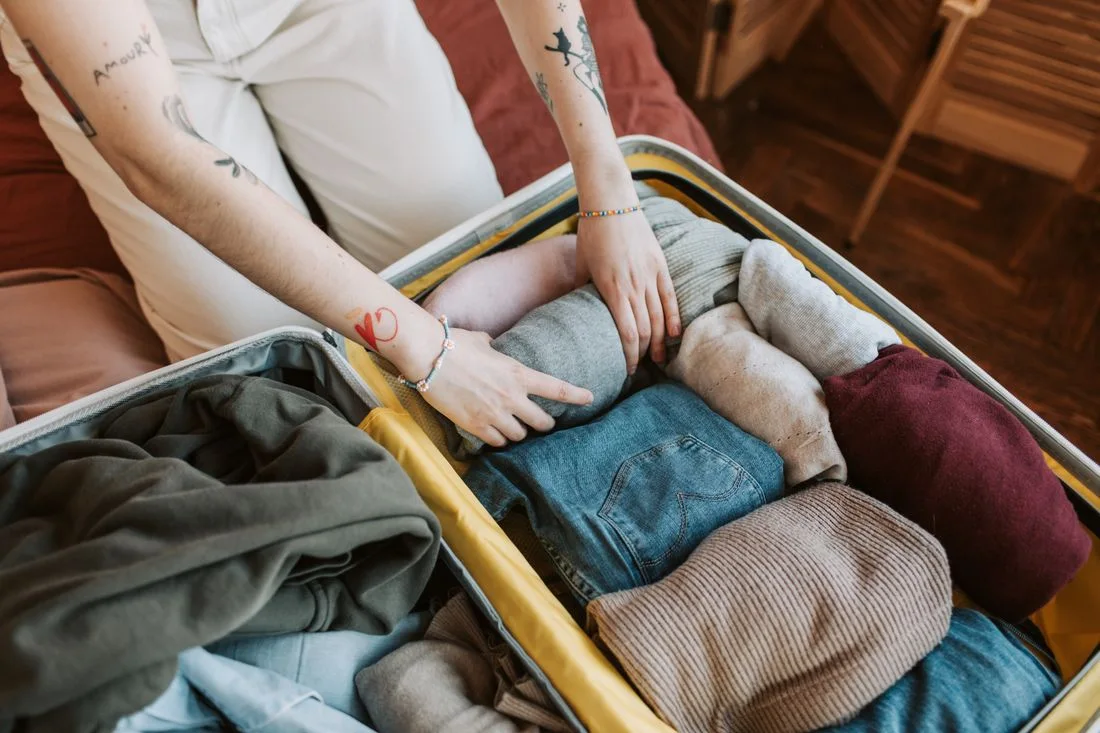
Choose a small group of tops and bottoms that can be mixed. Avoid long hems that you will struggle to keep off wet pavement. Check laundering and drying requirements; a favorite garment that needs specialist care may be less useful on a short trip with no laundry facilities.
Keep one dry change accessible if your arrival plans involve walking before check-in. Pack enough underwear and socks for the schedule without assuming every accommodation provides a heated drying area. A simple bag for separating damp items can help during transit, provided you unpack them appropriately afterward.
Protect the objects you need to use
A closed bag can be more manageable than an open tote when you are juggling an umbrella. Look at how the closure works and how easily you can retrieve a pass or phone. Keep travel documents and vulnerable electronics protected according to their needs; do not infer waterproofing from the bag’s appearance.
Before buying a special travel bag, test an existing one with your outerwear. A shoulder strap may slide over a smooth coat, while a crossbody strap may interfere with a jacket opening. Comfort comes from the combination, not from either item in isolation.
Give the itinerary a dry alternative
Group indoor stops by area so a weather change does not send you across the city unnecessarily. Leave time for a warm drink and a slower meal. The trip can still feel enjoyable without filling every damp hour with another reservation.
For packing the journey itself, see the one-bag train weekend. Keep your final shopping list focused on one or two proven gaps, such as a suitable outer layer or a useful document pouch, instead of buying an entire rainy-day wardrobe.
More considered choices, fewer impulse buys.
Read our editorial standards →